Rooted in Silicon Valley for this generation and generations to come.

What is Rooted?

Rooted is a two-year generosity initiative to raise 5 million toward securing and preparing a permanent ministry home for Awakening Church.

This home will move us beyond the limitations of a Sunday-only venue and expand our capacity throughout the week to gather, disciple, train, and send.

More than a building, Rooted is about establishing a permanent place of rootedness in Jesus:

  • Rooted in His PRESENCE
    A house of prayer creating space for life-changing encounters with God.
  • Rooted in His WAY
    A place where people learn to follow Jesus, practice His way of life, and grow into mature disciples.
  • Rooted in His MISSION
    A strategic training center to raise up and send out the next generation of world changers.
  • Rooted for GENERATIONS
    A lasting spiritual home that provides a strong foundation for generations to come.

Why Now?

  • Sunday Limitations
    Shared, temporary, and changing rooms make it difficult to create consistent Sunday environments where people can belong and grow.
  • Roots for Generations
    Kids, students, and young adults need dedicated spaces to connect, grow in faith, and put down roots.
  • Ministry All Week
    Our offices can no longer meet the growing need for groups, pastoral care, leadership development, worship, prayer, and mid-sized gatherings.
  • Energy for Mission
    Weekly setup and teardown consume time, energy, and creativity that could be invested in people, discipleship, and mission.

To fulfill the mission God has entrusted to us, Awakening desires more than a Sunday gathering place. We need a permanent ministry home where people can belong, be formed, and put down roots.

faq’s

Q: How was the $5M+ campaign goal calculated, and why was that specific figure chosen?

A: The $5M+ target represents both our church’s above and beyond giving capacity and the strategic threshold required to make a permanent facility viable while securing long-term operational sustainability.

Q: What happens if we don’t reach our full fundraising target? What is the contingency plan?

A: We are planning in phases to ensure financial safety. If total campaign commitments fall short of the primary target, we will further phase out our facility acquisition and remodeling timeline.

Q: In our last campaign, Above and Beyond, we tithed 10% of the funds to external community initiatives. Why aren’t we doing that for Rooted?

A: Every dollar of the $5M goal is critically needed on the front end to secure and build out a permanent home. While we are not setting aside an upfront 10% tithe for external projects this time, securing a 7-day-a-week facility is itself a deep investment in our city. Acquiring a permanent home will allow us to serve as a long-term community hub, positioning us to bless and resource our neighbors far more effectively on the back end.

Q: How are current funds being managed, and can we reallocate our operating budget toward a facility?

A: All campaign funds will be held in designated, restricted accounts dedicated exclusively to facility allocation. Additionally, our CFO and elders are auditing our current operating budget to identify operational efficiencies and pivot existing facility-related line items (such as rental costs) directly toward long-term property expenses.

Q: Beyond raised campaign funds and down payments, how will we afford the larger monthly mortgage payment? Is this long-term expansion financially sustainable?

A: Yes, sustainability is built directly into our strategy. Transitioning into a permanent home isn’t just about making a down payment; it’s about responsibly managing monthly debt service. Here is how we ensure long-term stability:

  • Offsetting Rent Costs: Our current lease and venue rental expenses will completely go away. Every dollar previously spent on rent will be redirected directly toward servicing our new mortgage.
  • Quantifying Net Increases: Once a specific building and loan structure are identified, we will calculate the exact difference between our old rental costs and the new mortgage. We will then build that net difference into our operating budget before finalizing any purchase.
  • Creating a Budget Buffer: Following guidance from our financial underwriters, we are actively shifting toward a surplus budget model—spending less than we bring in—to build cash flow reserves and easily absorb increased monthly facility expenses.
  • Funding Long-Term Growth: Increased monthly mortgage costs will be covered through natural attendance and tithing growth in a permanent 7-day facility, ongoing facility-specific funding, and operational efficiencies within our existing ministry budget.

Q: What specific kind of facility are we searching for, and where will it be located?

A: We are searching for a facility within our current geographic footprint that meets our space requirements for Sunday gatherings, midweek ministry, youth/children’s ministries, and community outreach. Specific location options and structural requirements are being vetted continuously with our facility search team.

Q: What are the pros and cons of leasing versus purchasing or building?

A: Purchasing provides long-term stability, asset equity, 7-day accessibility, and freedom from our current facility restrictions. Leasing a facility with limited rental hours, offers lower initial capital requirements and faster occupancy but leaves the church vulnerable to rent escalation, school district changes, and lack of long-term ownership. 

Q: Why are we moving forward with property discussions before the campaign officially concludes (or vice versa)?

A: Real estate opportunities in our market require parallel processing. Identifying facility options and setting preliminary design requirements allows us to give the congregation concrete parameters and accurate financial targets rather than asking for commitments toward an abstract concept.

Q: Is Awakening mature enough as a congregation to plant into a permanent facility right now?

A: Yes. The operational shift away from temporary setup/teardown is designed specifically to free up leadership and volunteer capacity, shifting our collective energy from logistics to expanded discipleship and community outreach outreach opportunities God is calling us to.

Q: What does a “Strategic Training Center” mean in practice?

A: A Strategic Training Center expands our facility’s use beyond Sunday services into a 7-day-a-week hub. It will house midweek ministry, leadership development, Protege, volunteer equipping, practical community service initiatives and a future pastoral residency to plant other Awakening churches in The Bay.

Q: How will a new facility impact our ministry to the Del Mar High School community?

A: Del Mar will always be a foundational part of our church’s story and heart. Securing a permanent home isn’t about leaving Del Mar behind—it’s about giving us the relational and financial capacity to continue supporting Del Mar families while expanding our outreach to serve students and schools throughout the rest of our future footprint.

Q: Will acquiring a permanent facility change our church culture?

Yes—but in the absolute best way possible! A permanent home won’t replace our culture; it will give it room to expand. Our core values—Presence, Authenticity, Connection, Servanthood, Celebration, and This Generation—are part of our spiritual DNA, no matter where we meet. A physical building doesn’t alter who we are; instead, it removes operational barriers so we can live out those values more fully. Having a 7-day-a-week space gives us more room for God’s presence, deeper space for authentic connection beyond Sunday mornings, more opportunities to serve our city, and a dedicated home to reach and form the next generation.

Q: How can church members provide input on the facility’s “must-haves”?

A: Pacesetters and congregation members will have structured opportunities to give feedback through surveys, focus groups, and 1-on-1 follow-up conversations as site options and functional designs are refined.

Q: How often will leadership share updates and progress reports?

A: Transparency is a top priority. Regular updates and milestone reports will be communicated throughout the Rooted sermon series and regular congregational updates thereafter.

Q: What are the main ways I can give to the Rooted campaign?

A: You can submit your above-and-beyond gifts to Rooted through two main pathways:

  1. Direct Online & Recurring Giving: Conveniently donate via debit card, credit card, or ACH bank transfer at awakeningchurch.com/give.
  2. Stock & Asset Donations: Transfer appreciated stock, mutual funds, or equity directly to Awakening for maximum tax efficiency.

Q: What is the difference between giving from income vs. giving from assets?

A: Giving from income (tithing) usually comes out of your weekly or monthly cash flow, such as your checking or savings account. Giving from assets means donating stored equity—such as appreciated stock, vested RSUs, mutual funds, real property, or business interests. Because 90% of personal wealth in the U.S. is held in non-cash assets rather than cash, giving from assets allows households to make a significantly larger Kingdom impact without affecting day-to-day living expenses.

Q: Why is giving stock or equity considered the most tax-efficient way to give?

A: When you sell appreciated stock yourself to donate cash, you trigger significant federal and California state capital gains taxes—which can reduce your overall gift by roughly 35%. By transferring shares directly to Awakening Church, you eliminate capital gains taxes entirely. The church receives 100% of the value, and you get to claim an itemized tax deduction for the full market value of the stock.

Q: Does it matter how long I’ve held the stock or RSUs?

A: Yes. To claim an itemized tax deduction for the full fair market value, the stock or vested RSUs must be held for more than one year post-vest/purchase.

Q: Which specific shares or “tax lots” should I choose to donate?

A: When setting up your transfer, select your lowest cost-basis shares (the stock that has appreciated the most in value). This maximizes your tax savings by shielding the highest amount of capital gains from taxes.

Q: How do I give directly online via card or bank transfer?

A:

  1. Visit awakeningchurch.com/give.
  2. Choose your preferred payment method (Credit/Debit Card or ACH Bank Transfer).
  3. Under the Fund / Designation dropdown menu, select Rooted.
  4. Select whether this is a One-Time Gift or set up a Recurring Commitment (weekly, monthly, or bi-monthly) over the two-year campaign.

Q: How do I initiate a stock gift to the Rooted campaign?

A: Awakening Church partners with Stock Donator to process non-cash stock donations safely and efficiently:

  1. Visit the Web Portal: Go to awakeningchurch.com/give and click on Give Stocks → Give Stocks Now.
  2. Complete the Transfer Form: Fill out the Stock Donator information form with your brokerage account details, ticker symbol, and share quantity.
  3. Designate for Rooted: On Page 3 of the form, type “Rooted” in the Specific Purpose Donation field so your gift is directed straight to the campaign.
  4. Confirm with Your Broker: Your brokerage firm will reach out (via phone or email) within a few days to verify and execute the transfer.

Q: Will I receive a receipt for my tax records?

A: Yes. For online gifts, an immediate email receipt is issued. For stock transfers, within a few days of the completed transfer, you will receive an official email confirmation detailing the date, stock ticker, exact number of shares, and total fair market value of your donation for your tax records.

Q: Can stock donations be combined with recurring online giving toward my 2-year Rooted pledge?

A: Yes! You can fulfill your two-year Rooted commitment through a single stock gift, multi-year asset transfers, a recurring digital giving plan at awakeningchurch.com/give, or a combination of all three.

Q: When should I start the transfer process?

A: If you are planning to make a stock gift as part of Advance Commitment Night (Oct 25) or before the end of the tax year, we recommend initiating the transfer form at least 7–10 business days in advance to allow your brokerage sufficient processing time. Online card or ACH gifts at awakeningchurch.com/give take effect immediately.

Disclaimer: This FAQ is provided for educational purposes only. Please consult your CPA, tax professional, or financial advisor regarding your personal tax situation and specific asset holdings.

meet your building team

Our search for a permanent facility is guided by a dedicated team of Awakening members who bring a balanced professional expertise, strategic discernment, and a shared love for our church family. Together with our real estate partner, Alina Siert, this team evaluates potential properties against rigorous standards of site viability, financial wisdom, and long-term ministry impact.

Alina Siert | Commercial Real Estate Broker, Siert Group  
Serves as our primary real estate broker and strategic growth advisor specializing in church building acquisitions and mission-driven real estate. Alina brings extensive expertise in navigating complex church property transactions, site selection, and ownership models designed to secure long-term financial stability and community impact for faith-based organizations.

Jenny Ingram | Residential Realtor
Brings extensive real estate knowledge, market insight, and spatial discernment to property evaluation, ensuring our search aligns our church’s heart for this generation.
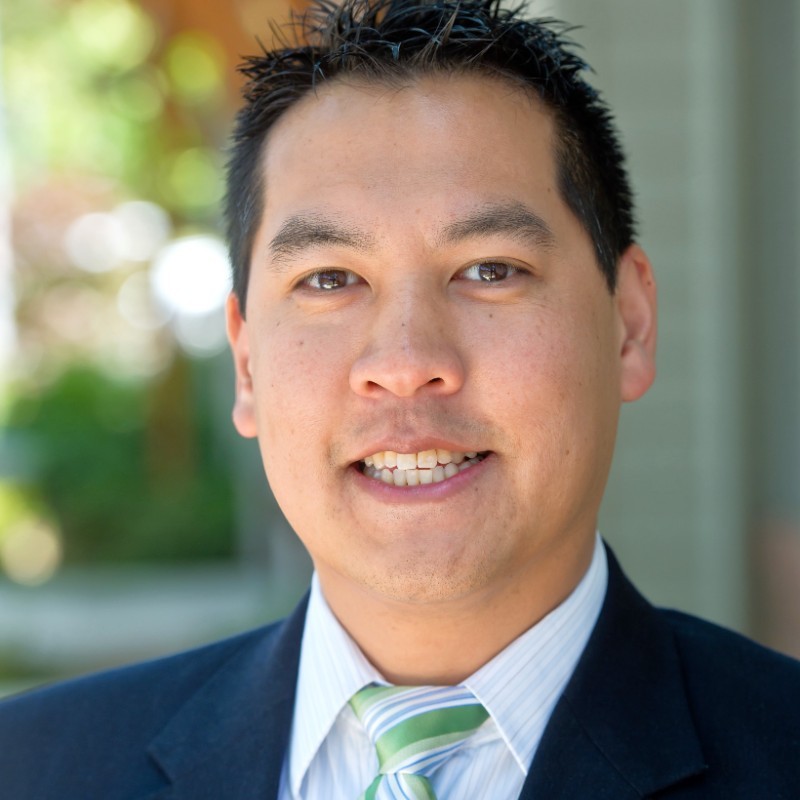
Nathan Ho | Senior Strategic Advisor, Santa Clara County Housing Authority
Provides high-level expertise in public policy, land use, municipal strategy, and local government operations—critical for navigating regional zoning, entitlements, and complex real estate processes in Silicon Valley.
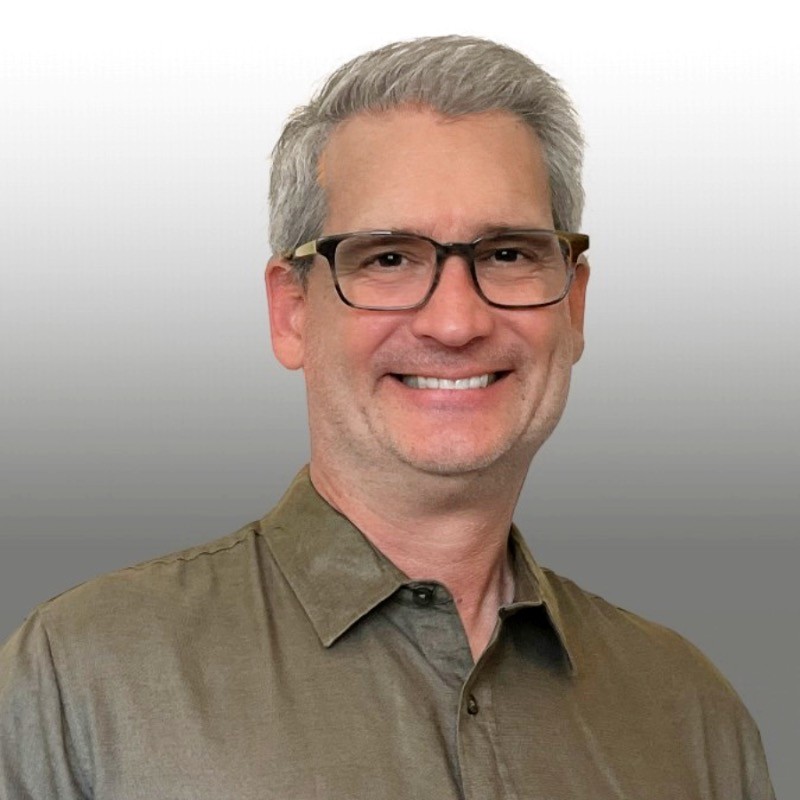
Brian Underhill, PhD | Founder & CEO, CoachSource, LLC
Contributes executive leadership, organizational scaling, and strategic governance, ensuring our site selection and facility plans are supported through low-risk, lending systems.  
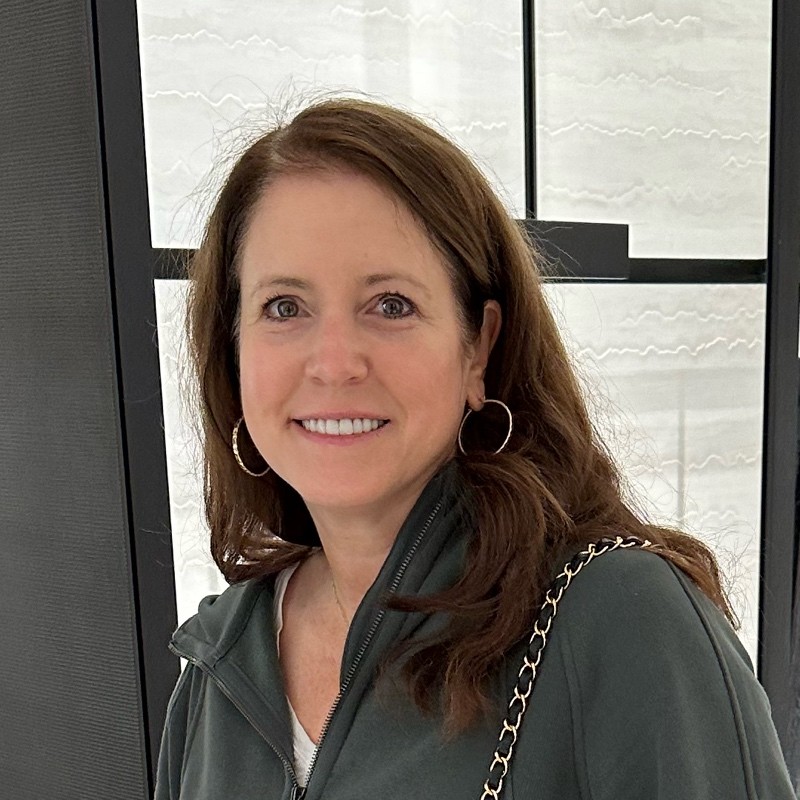
Amy Watson, MD | Family Physician
Applies clinical precision, analytical decision-making, and a deep knowledge of family and community health, keeping our facility centered on flourishing environments for all generations.

Jason Jones | Product Designer
Offers user-centered design expertise, spatial problem-solving, and vision mapping, helping evaluate how physical environments can be optimized for functional ministry use, gathering, and connection.